
Note 01
Extract attributes, not the whole image
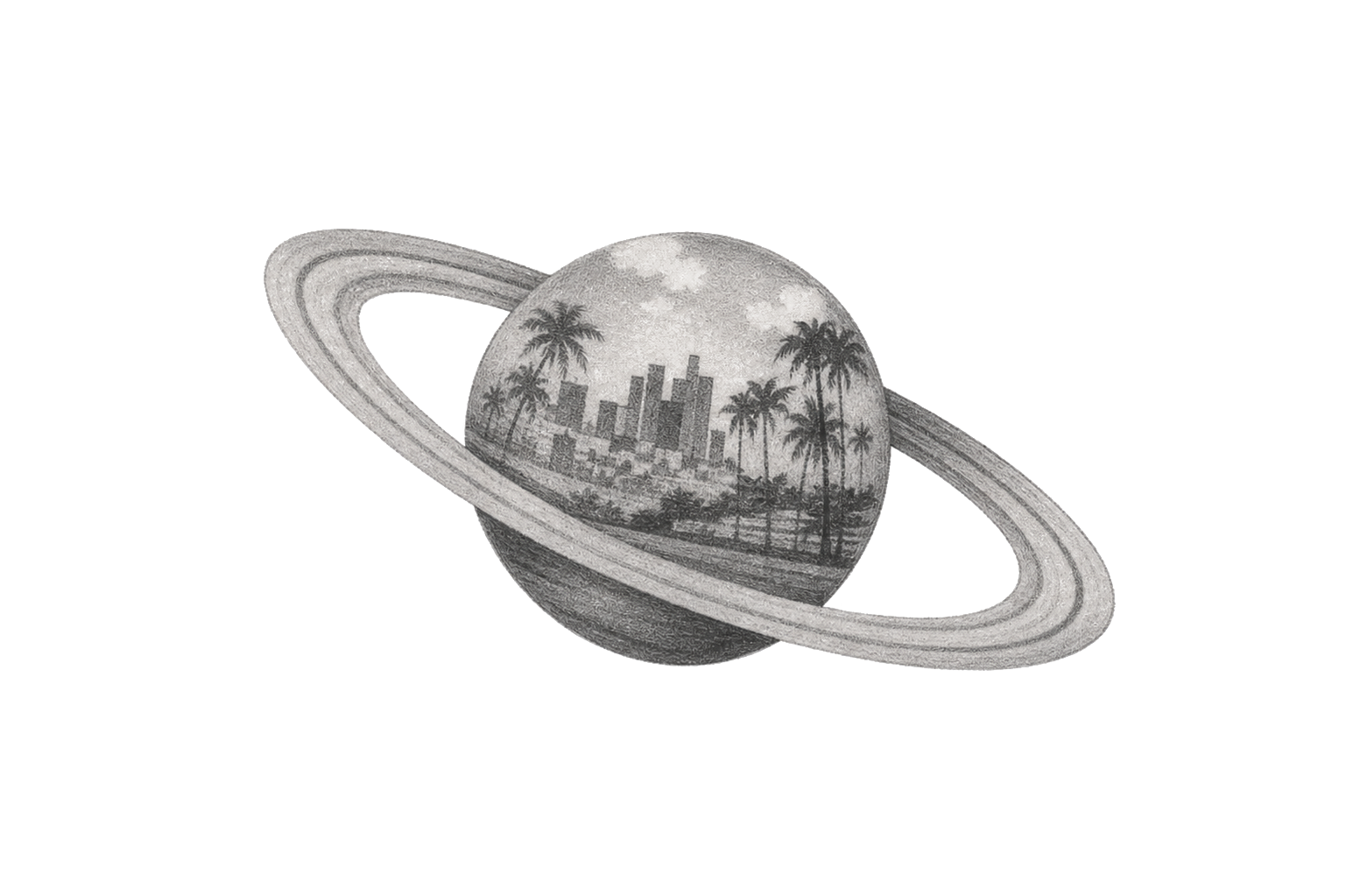
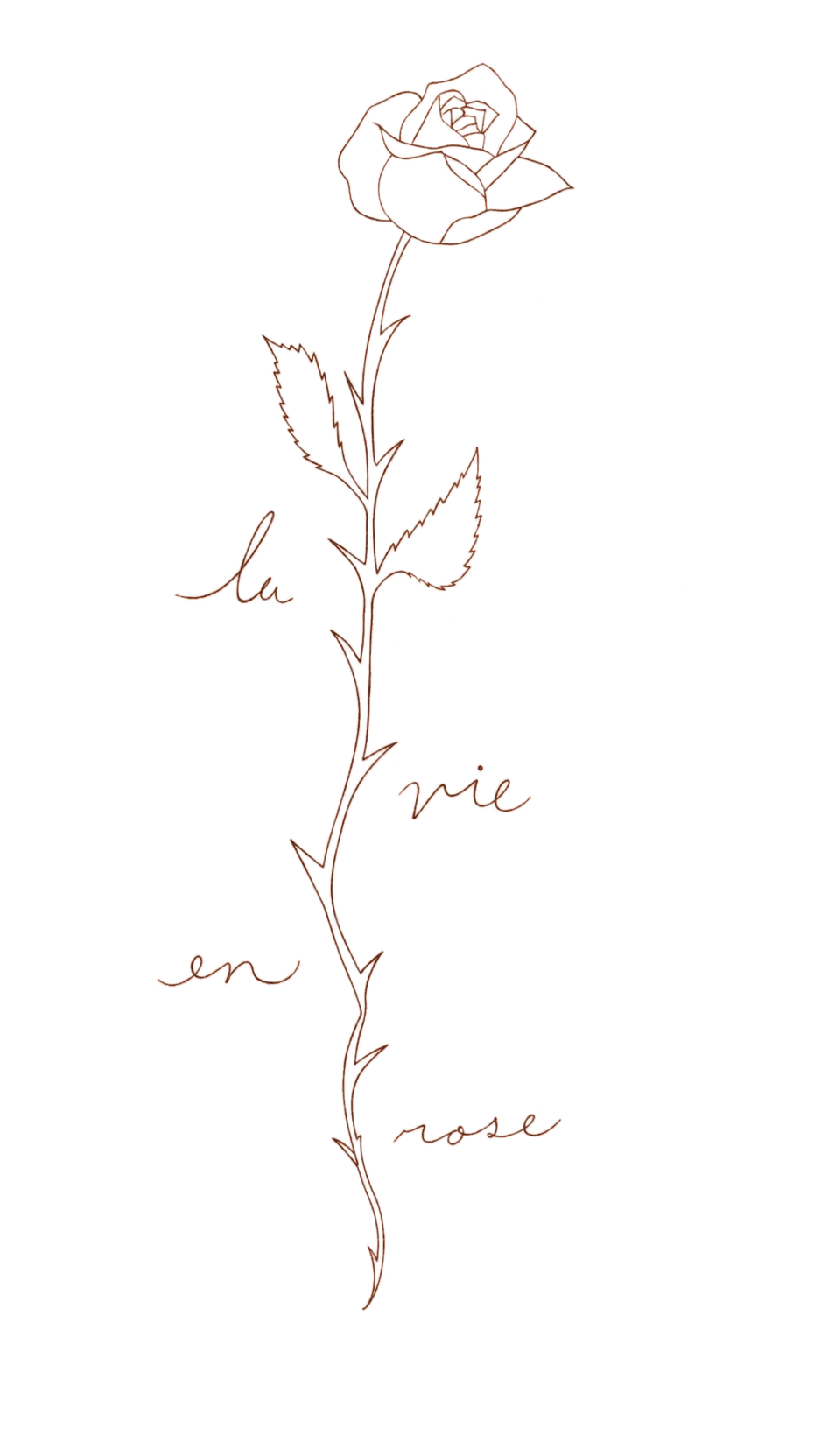
For every reference, write one precise reason it belongs: the open spacing, a vertical rhythm, the balance of text and image, or the restraint of the linework. Avoid vague labels such as simply liking the vibe.
Once the attributes are visible, remove references that repeat the same point. A smaller board with distinct jobs gives the brief more clarity.
- Assign one purpose to every reference
- Separate subject references from style references
- Remove any image you only want copied
Note 02
Add the decisions only you can supply
Introduce your own subject, wording, memory, placement, and constraints. These are not finishing touches; they are what turns a visual direction into your brief.
Use Tatty to explore alternatives, then keep notes on what changed and why. Share the direction with your artist as context, not as a demand to reproduce a generated image exactly.
- Write the personal reason in one sentence
- List what may change and what must remain
- Save two meaningfully different options